


These real examples come from repair projects across Alleghany County and surrounding areas. They highlight common construction mistakes homeowners may encounter when hiring unqualified contractors. Understanding these issues can help you ask better questions and protect your home investment.

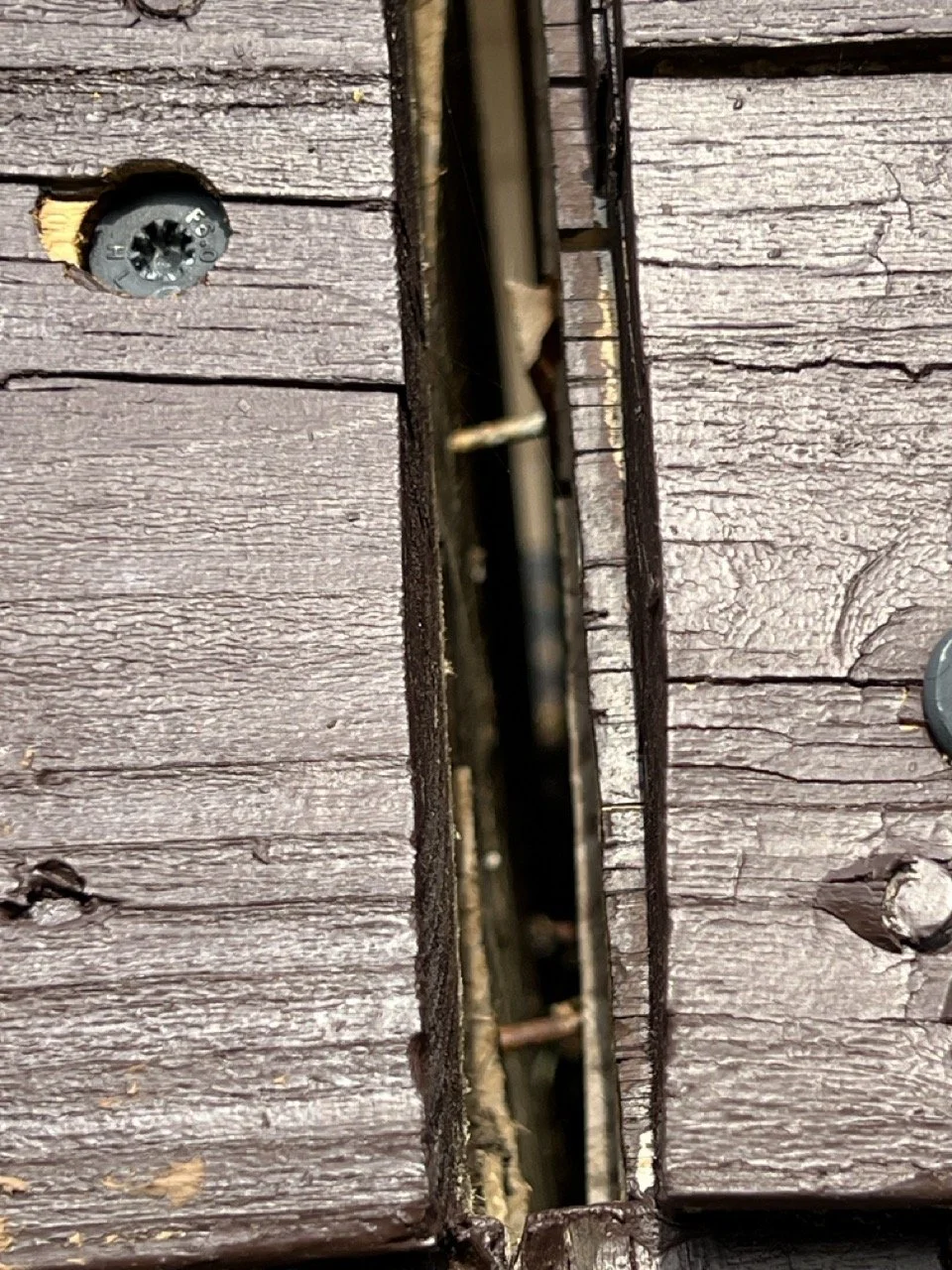
When homeowners hire a contractor, they trust that the work will be safe, professional, and built to last. Unfortunately, many repair projects we encounter involve correcting improper installations, unsafe construction practices, or work completed without proper knowledge of building standards.
The real examples below come from repair projects throughout Northwest North Carolina and Southwest Virginia. They are shared for educational purposes to help homeowners understand common construction mistakes, recognize warning signs, and make more informed hiring decisions.
Knowing what to look for can protect your home, your safety, and your investment.

Most major construction problems are not caused by accidents — they usually result from one of the following:
• Lack of proper training or experience
• Unlicensed or uninsured contractors
• Work performed without inspections
• Cutting corners to reduce costs
• Improper materials or installation methods
Understanding these risks helps homeowners ask the right questions before hiring any contractor.
Before hiring a contractor, homeowners should always verify:
✔ Proper licensing (when required)
✔ Active liability insurance
✔ Clear written contracts
✔ Local references and previous work
✔ Permit and inspection requirements
These simple steps can prevent many of the costly repair situations shown below. More info below photos and in our Home owner Resource Hub section.
-
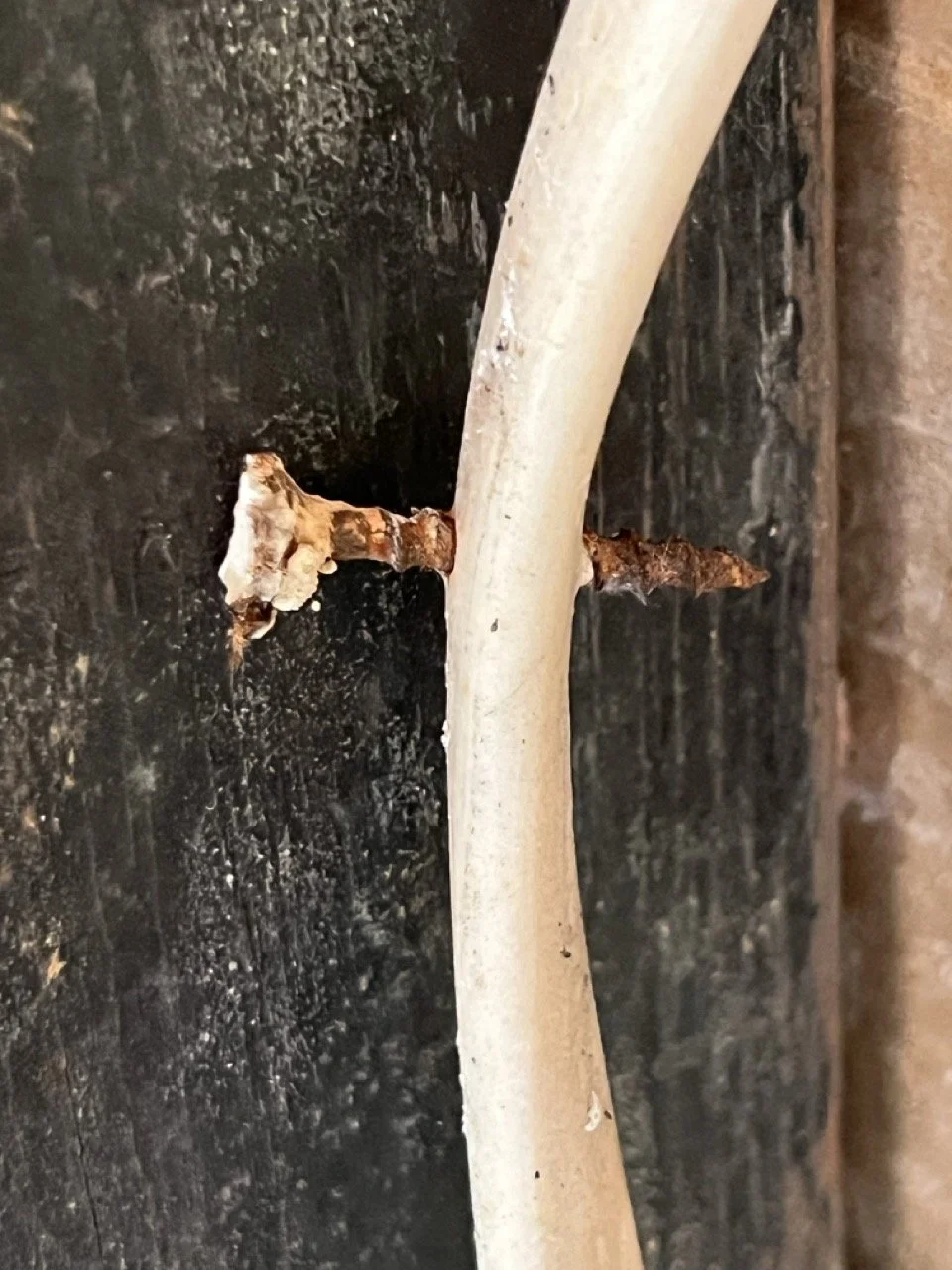
Faulty Installation
During demolition we found this drywall screw inserted into a live electrical wire. Potential fire hazard.
Symptoms of this, like this one, may be nothing and that is scary but most common is flickering lights or appliances, sizzling sound, tripped breakers, or the most dangerous is the smell of cooking fish or hot plastic.
If you experience any of these immediately turn off all breakers in this area of your home and call a licensed person to evaluate this immediately.
-
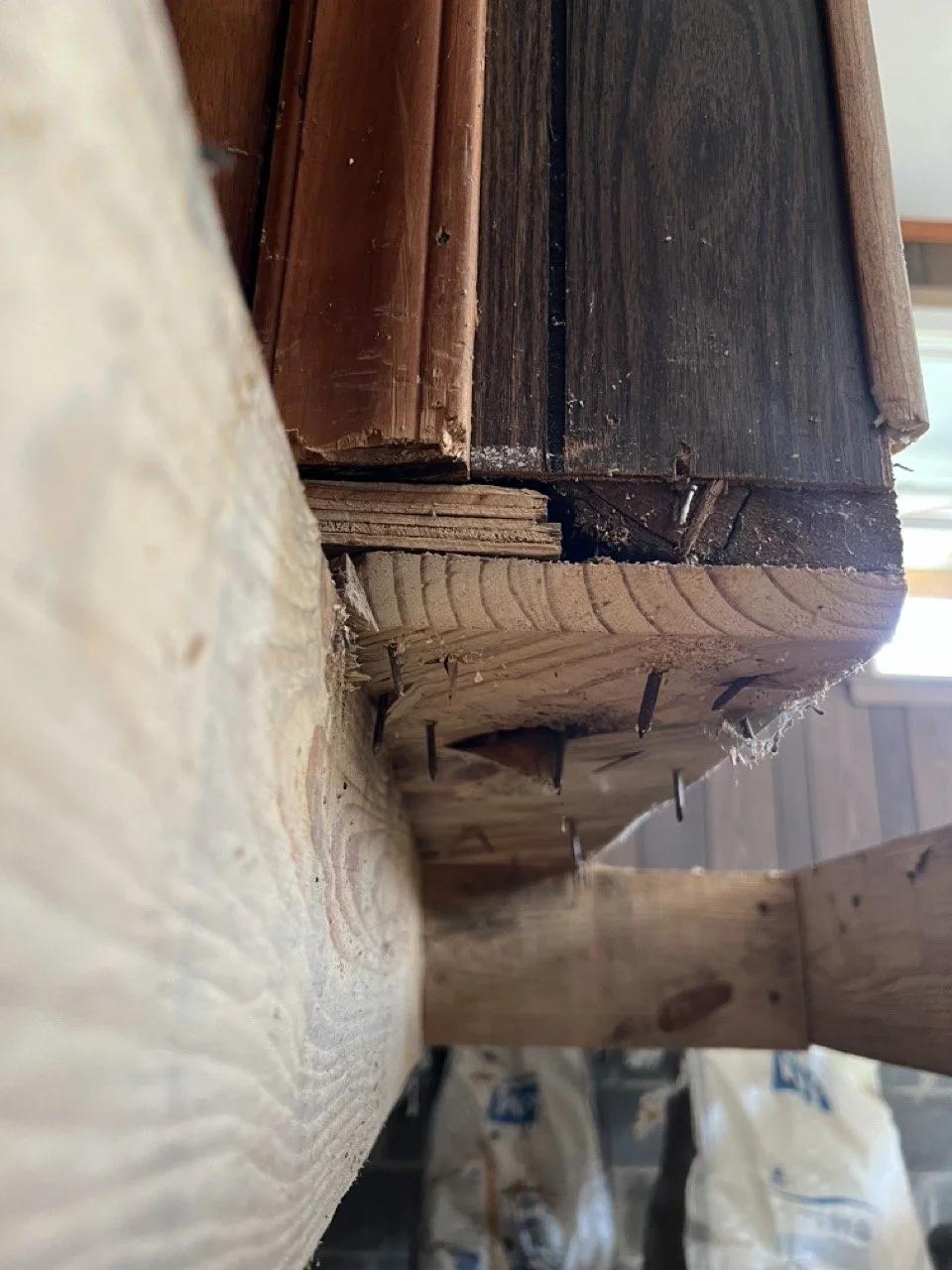
Supports
When we removed flooring, we found walls not sufficiently supported.
Symptoms can be creaking sounds during wind storms, cracks around door and window sheetrock, doors and windows hard to open, bowed walls when sighting down the wall.
Should you suspect rot in your home please contact a licensed professional to evaluate.
-
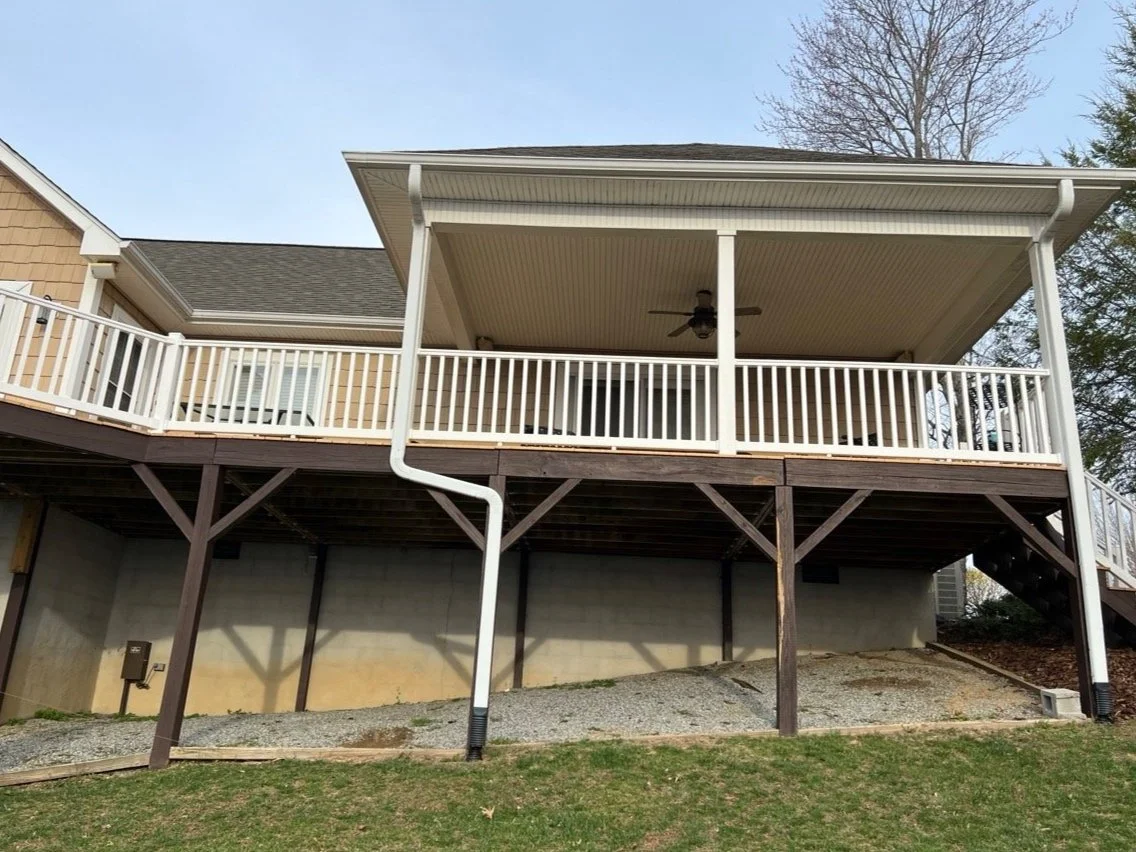
Post Placement
Weight of the roof is landing on the decking instead of the posts. This is an easy one to spot. Loads should always be transferred directly to the ground. this off set load bearing causes unequal loading and warping to a structure. This leads to your investment into your home to fail right in front of your eyes.
-
Floor
We uncovered this sub-floor cut out at the main door hidden under the finished floor.
Symptoms: squeaking floors, soft spots, cold spots in the floor, depending on the flooring type cracks can develop.
If you suspect this in your home please reach out to a licensed profession to evaluate.
-

Electrical
On removing drywall, we found electrical wiring and switch boxes/electrical outlets not being secured to structure.
Symptoms: loose switches, switches and outlets being set in further than the plates, rarely can lead to flickering lights and appliances.
Though rarely dangerous this can lead to worse problems later on with wire chafing. If you suspect any of this please reach out to a licensed professional to evaluate.
-
Decking
Support bands on this deck had separated considerably over time. This many not be easy to spot especially on higher built decks.
Symptoms: Squeaking, uneven decking boards, cracked decking boards, uneven deck surface, loose handrails, gaps in top deck rails.
Should you suspect this please reach out to a licensed professional. This is a structural issue and needs to be evaluated asap.
-
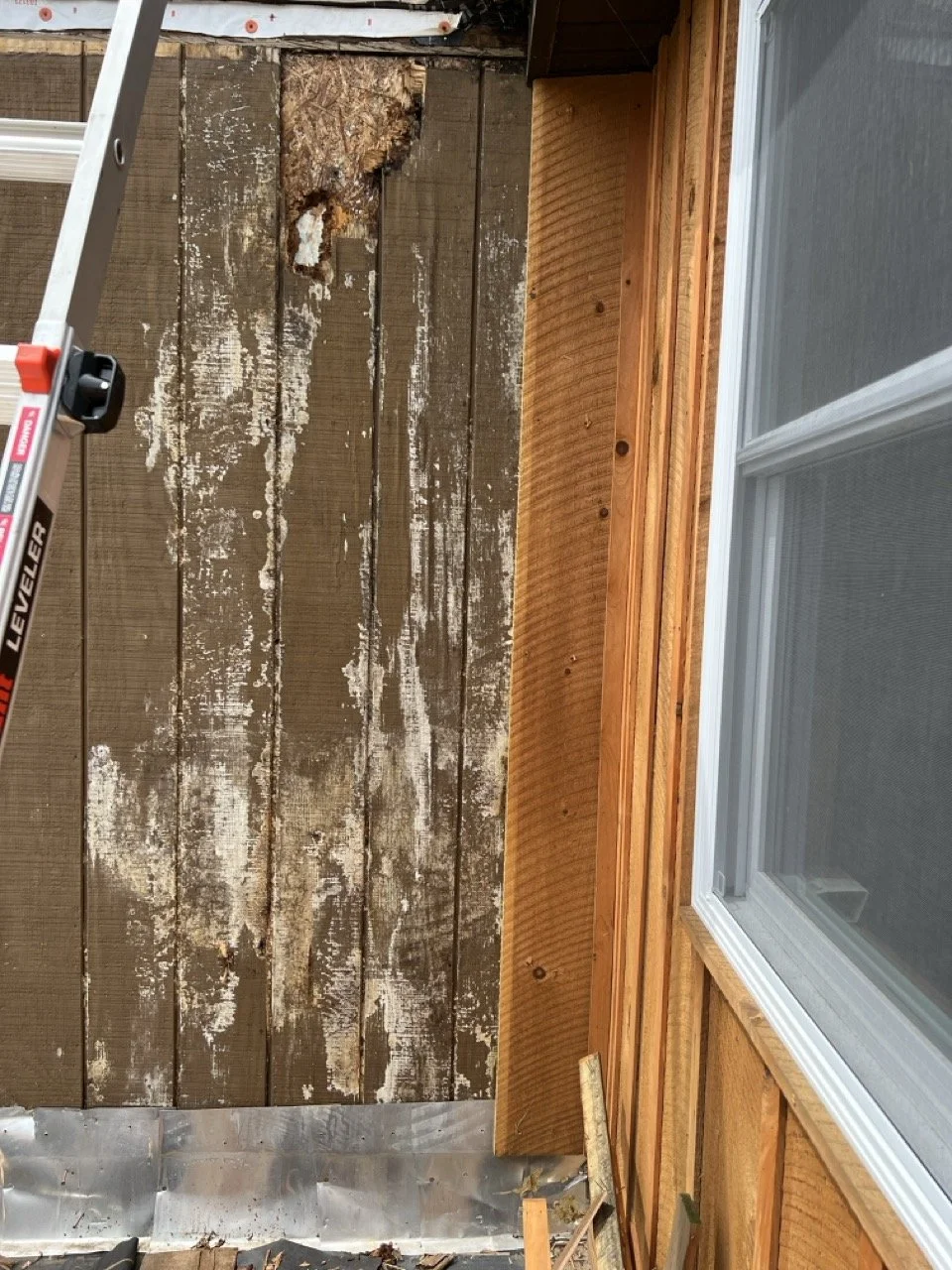
Siding
New siding installed incorrectly over existing siding destroyed the original siding and funneled water into the basement. This damage was done in less than a year.
Symptoms: Moisture in your home that is new after a change to the exterior of your home, dripping sounds in your home during rain, musty smell, damp feel inside the home, discolored liquid either inside of outside you home.
In any event please don’t let the symptoms set and get worse. Please reach out to a licensed professional to evaluate.
-
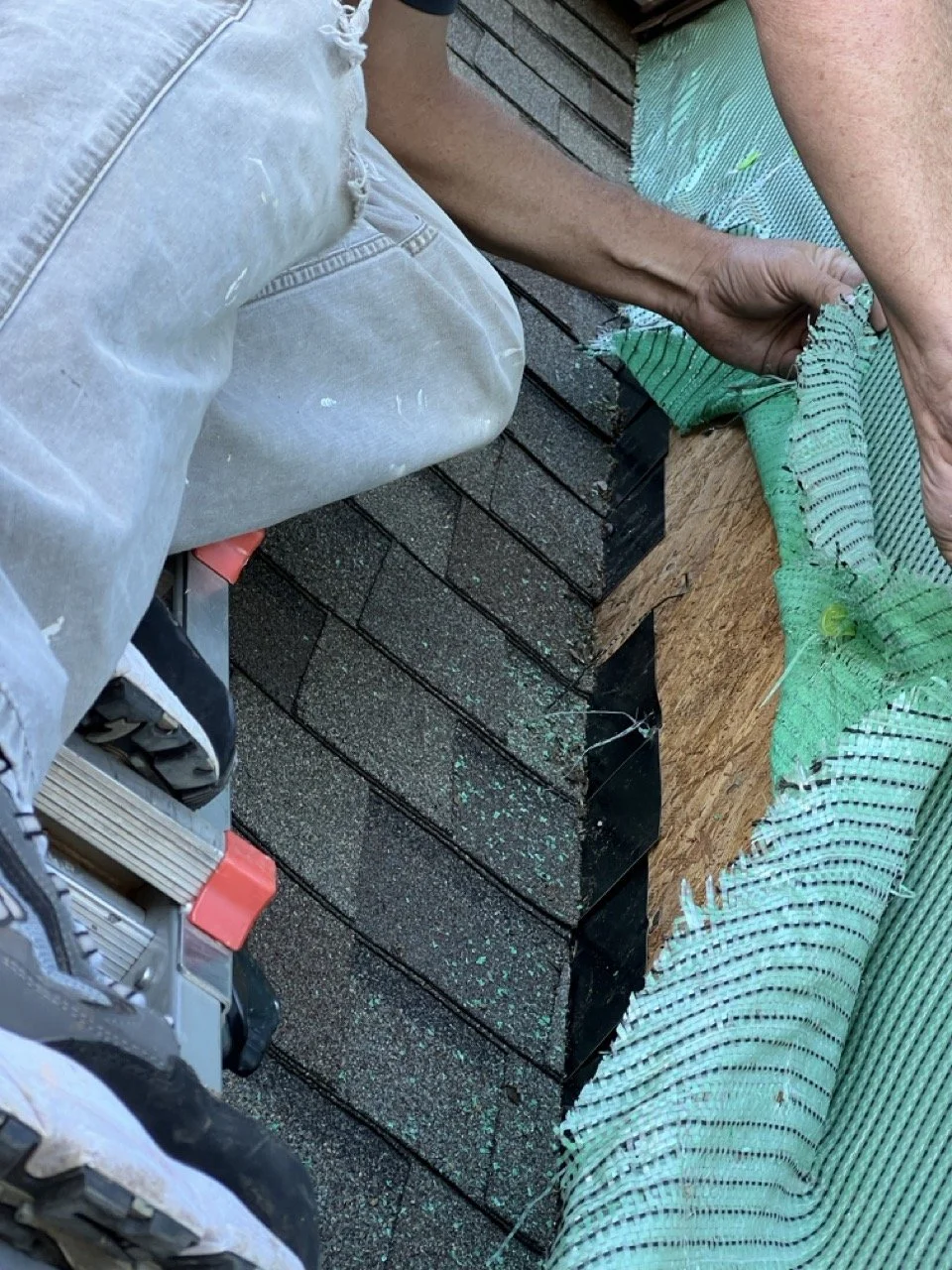
Flashing
Improper flashing installation allowed water to penetrate into the home.
Symptoms: musty smell, discolored sheetrock, dripping sound during rain, damp feel inside the home, discolored liquid either inside of outside you home.
In any event please don’t let the symptoms set and get worse. Please reach out to a licensed professional to evaluate..
-
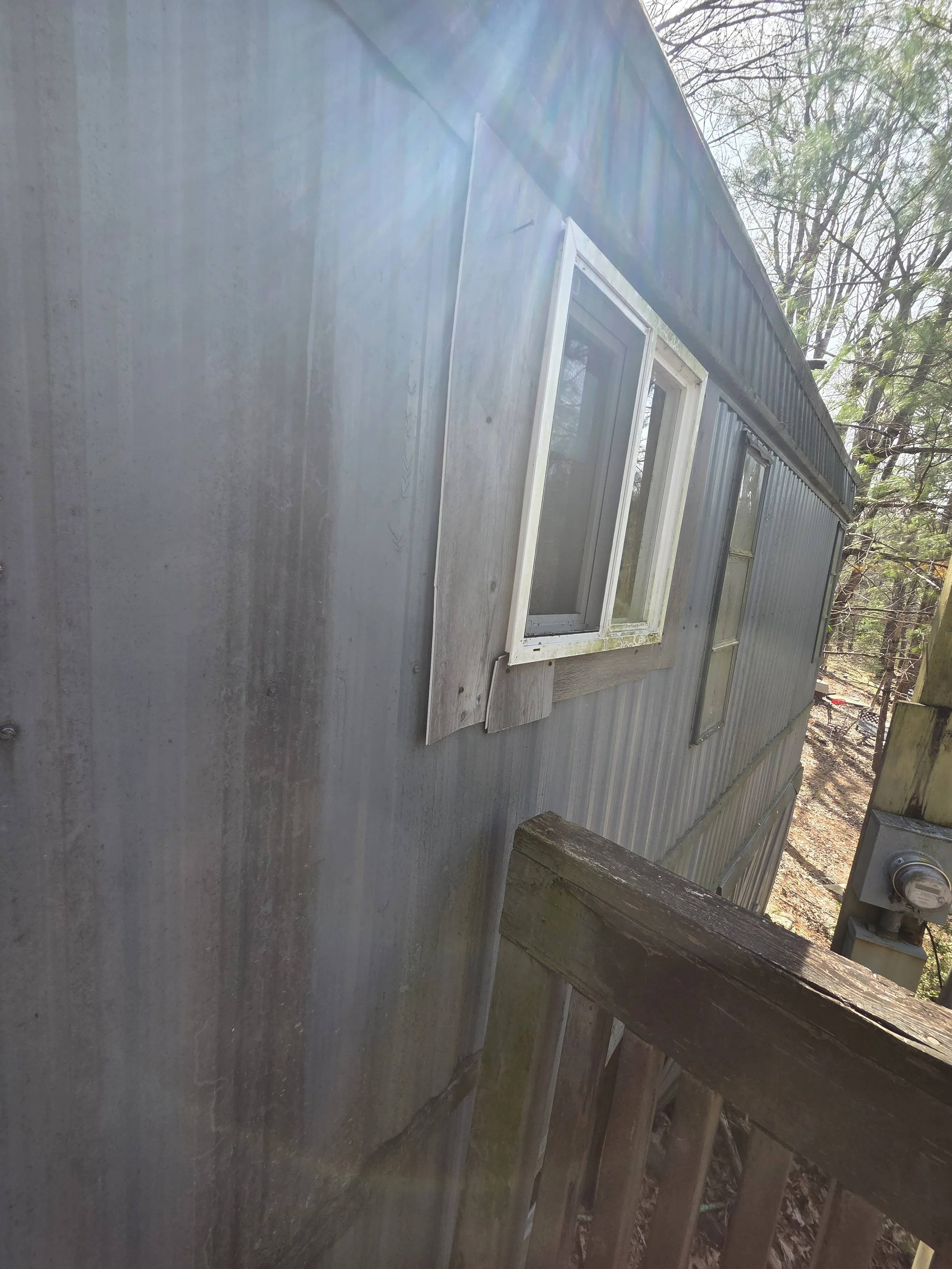
Window installation
Upon arrival to a home where a previous contractor had “completed” this work to a vacation home, we found this window that was installed over the siding panels and the covered over with LVP flooring with no sealant or flashing present. This is among other blatant code and safety violations.
This work was “completed” for an elderly couple who live more than an hour away and were not able to keep up with the job themselves. So, they hired a contractor who said he could help them. 30k Later the house id leaking water and in not able to be lived in by any stretch of the imagination.
-
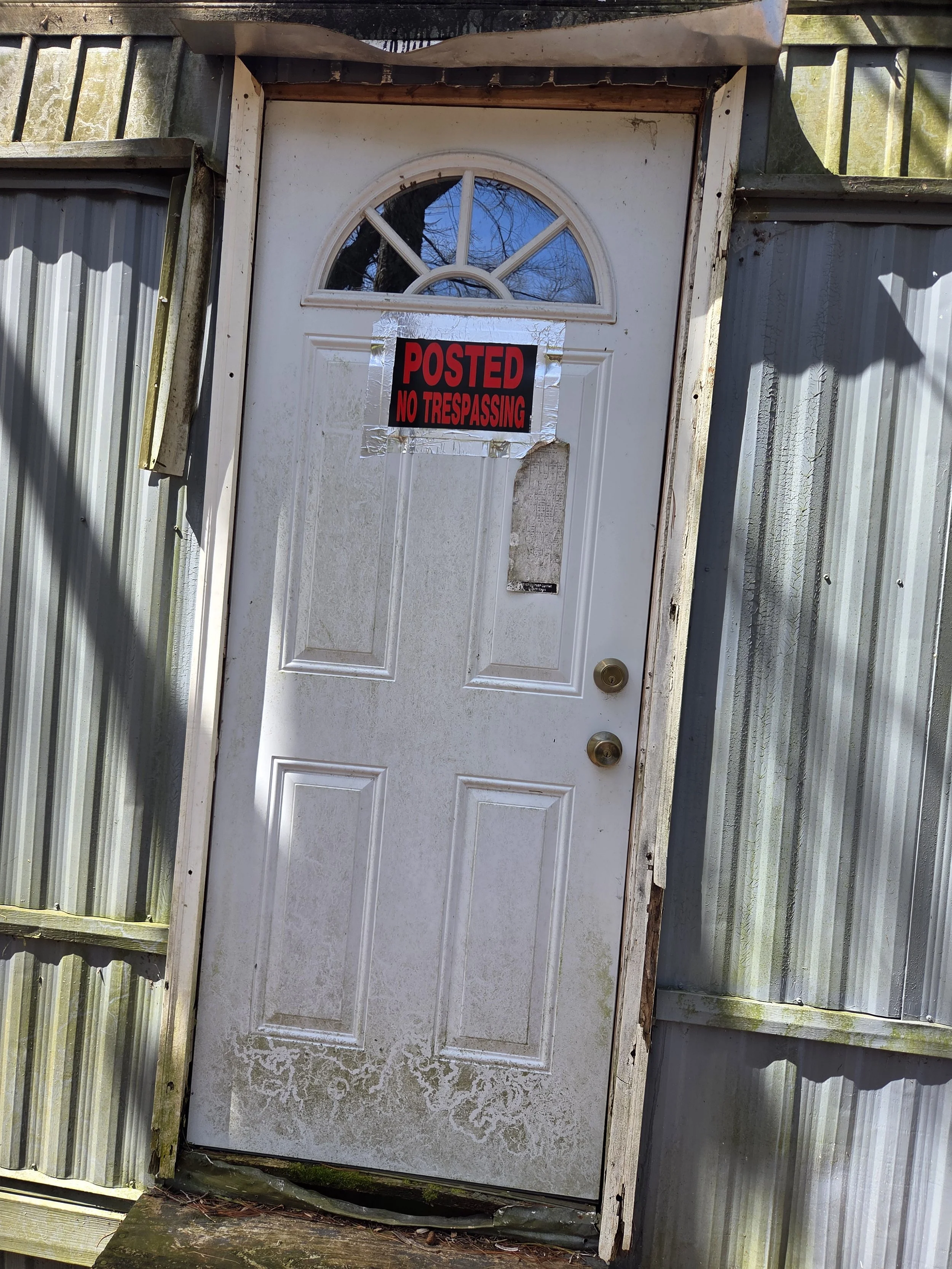
Doors
Upon arrival to a home where a previous contractor had “completed” this work to a vacation home, we found this rotted exterior door to the front of the home. No storm door had been installed and the door itself was never painted. From the interior you can see daylight and water intrusion is present.
This work was “completed” for an elderly couple who live more than an hour away and were not able to keep up with the job themselves. So, they hired a contractor who said he could help them. 30k Later the house id leaking water and in not able to be lived in by any stretch of the imagination.
-
Siding
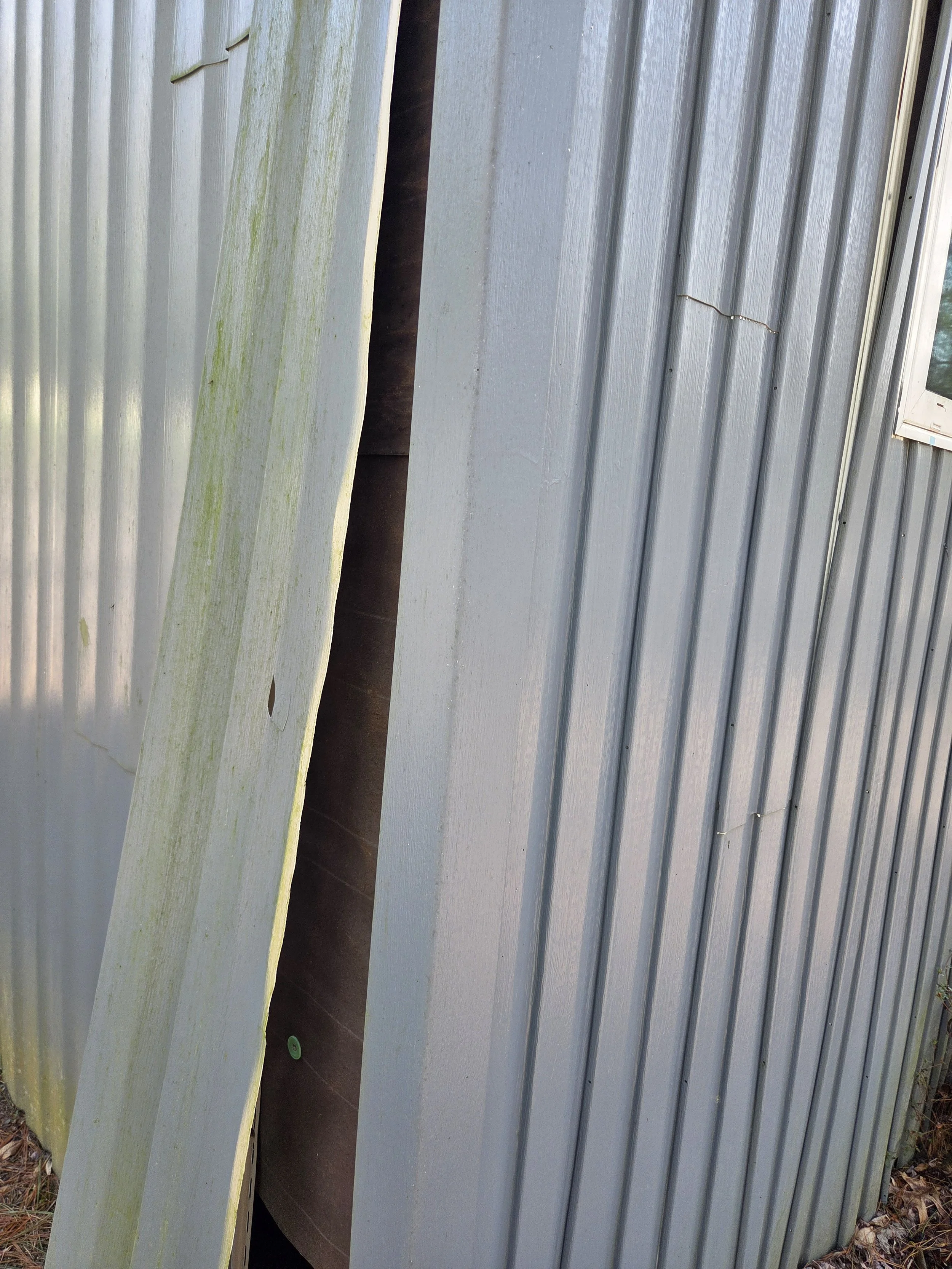
Upon arrival to a home where a previous contractor had “completed” this work to a vacation home, we found this siding to a newly built addition to the mobile home. This is D5 vinyl siding that is suppose to be install horizontal. This “contractor” installed it in a vertical manner and did not secure the last panels. This led to water migration into the sheeting of the home as there was also no house wrap protecting the home.
This work was “completed” for an elderly couple who live more than an hour away and were not able to keep up with the job themselves. So, they hired a contractor who said he could help them. 30k Later the house id leaking water and in not able to be lived in by any stretch of the imagination.
-
Foundation
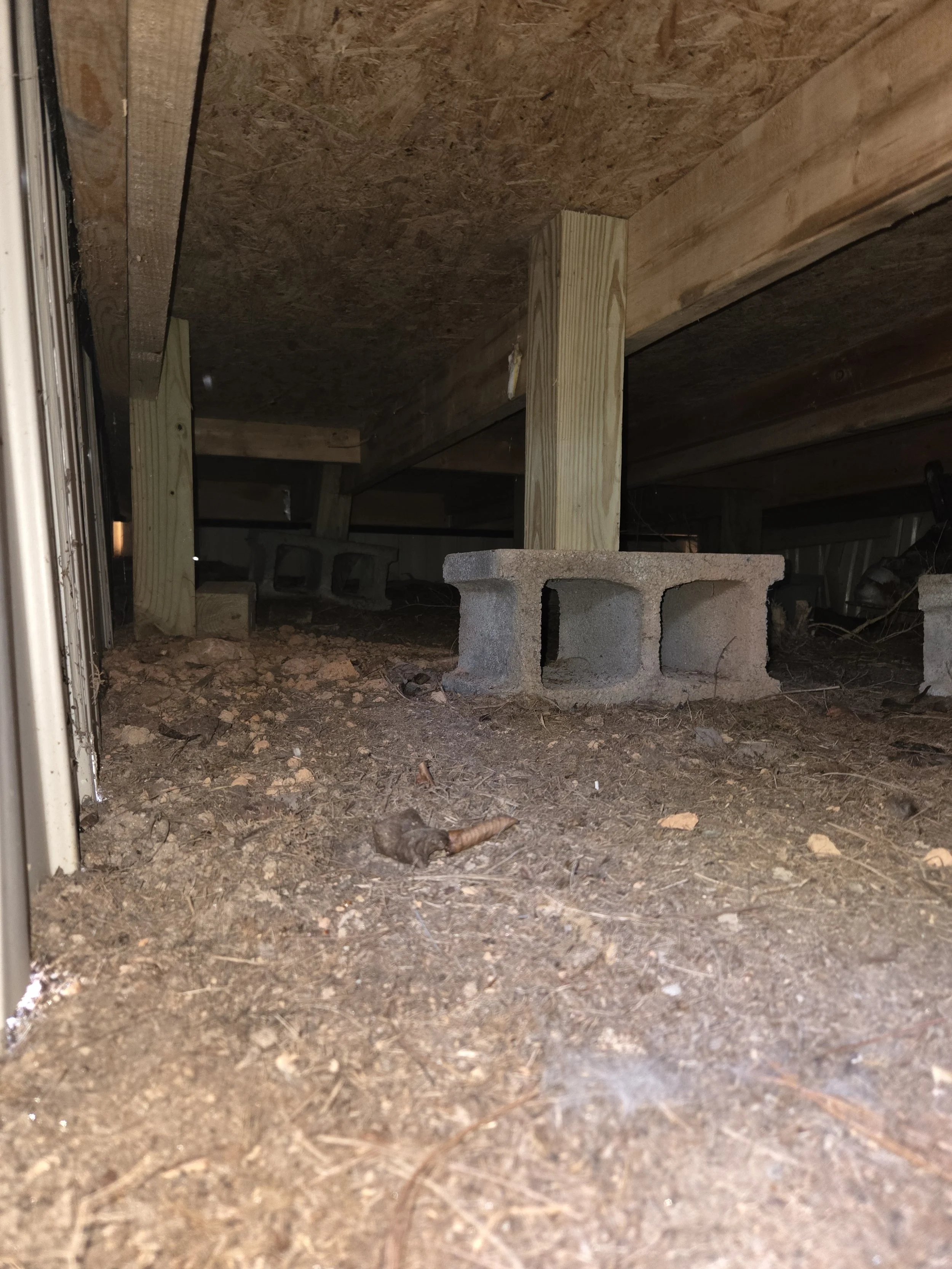
Upon arrival to a home where a previous contractor had “completed” this work to a vacation home, we found these foundation supports. There is no footing present and the only thing holding this floor up is cement block laid on their side. This is an issue as this is the very weakest way to bear on a block. They are intended to hold weight in only one configuration and that is straight up with all solid faces, facing out. The flooring to the addition is wavy and bouncy. This work was also unpermitted.
This work was “completed” for an elderly couple who live more than an hour away and were not able to keep up with the job themselves. So, they hired a contractor who said he could help them. 30k Later the house id leaking water and in not able to be lived in by any stretch of the imagination.
The Hidden Dangers of Hiring the Wrong Contractor in North Carolina (And How to Protect Yourself)
Hiring someone to work on your home should bring peace of mind — not stress, financial loss, or safety risks. Unfortunately, across Northwest North Carolina, many homeowners experience serious problems after hiring unlicensed contractors, uninsured workers, or handyman services taking on projects beyond their legal limits.
These issues are becoming one of the most common causes of costly home repair disasters in our region.
Understanding the risks — and knowing how to protect yourself — can save thousands of dollars and prevent major headaches.
Why Hiring an Unlicensed Contractor Is So Dangerous
Many homeowners don’t realize that state law requires contractors to hold a valid license for projects above $40,000.00 total project cost and for specific types of work regardless of costs.
When someone performs larger jobs or specialty regulated jobs without proper licensing, homeowners can face major risks.
You May Have Little to No Legal Protection
If an unlicensed contractor performs work improperly, you may have limited legal recourse if:
Work is done incorrectly
The contractor abandons the job
Materials go unpaid
Property damage occurs
The project fails inspection
In many cases, homeowners end up paying twice — once for the poor work, and again to fix it properly. The latter always costs more because you have to pay to remove the bad work you just paid for.
The Insurance Risk Most Homeowners Don’t Know About
One of the biggest dangers is hiring workers without proper insurance.
If They Get Injured, You Could Be Liable
If a contractor or worker is injured on your property and lacks insurance coverage, the homeowner may be financially responsible for:
Medical bills
Lawsuits
Legal fees
Increased insurance premiums
Many homeowners are shocked to learn their own homeowners insurance may not fully cover these situations.
When Handyman Services Take on Jobs Requiring a Licensed Contractor
Handyman services are valuable for small repairs and maintenance. In fact we started out as a handyman service. However, problems arise when someone performs work that legally requires licensed contractors.
These often include:
Structural repairs
Roof replacement beyond finish roof coverings or if costs exceed $40,000.00
Electrical work
Plumbing systems
Siding replacement where asbestos or lead is present, costs exceed $40,000.00, rot involves structure.
Framing or load-bearing modifications
Additions and major renovations
Improperly performed work can lead to:
Failed inspections
Safety hazards
Voided warranties
Insurance claim denials
Major resale problems
The Real Financial Cost of Hiring the Wrong Contractor
Choosing the lowest bidder often results in long-term expenses far exceeding the initial savings.
Common issues include:
Poor workmanship
Water intrusion damage
Code violations
Hidden structural problems
Mold growth from improper installation
Emergency repairs later
What looks like a “cheap” project can quickly turn into one of the most expensive mistakes a homeowner makes.
How to Protect Yourself Before Hiring a Contractor
Taking a few simple steps can dramatically reduce your risk.
Always verify:
✔ Contractor Licensing
Confirm the license number through official state databases.
For NC this can be done here: https://portal.nclbgc.org/public/search
For Virginia this can be done here: https://www.dpor.virginia.gov/LicenseLookup
For United State Veterans Affairs this can be done here: https://lgy.va.gov/lgyhub/home-builders
✔ Insurance Coverage
Request proof of insurance in writing directly from the insurance provider. Never rely on verbal claims. This is done by a phone call from the contractor to their insurance provider. The proof is emailed directly to you in the form of a certificate of insurance (COI). Make sure the COI has you as a covered party listed. Then call the insurance provider to verify first hand that the policy is for the project size and scope.
✔ Written Scope of Work
Professional contractors always provide clear written agreements detailing:
Work to be performed
Materials used
Project timeline
Payment structure
License number(s) of the contractor.
Address of the contractor.
Phone Number of the contractor.
10 Questions Every Homeowner Should Ask Before Hiring a Contractor
Asking the right questions can prevent costly problems later.
1. Are you licensed for this type of work?
2. Can I see your license number?
3. Do you carry general liability insurance?
4. Can you provide me with a Certificate Of Insurance (COI)?
5. Can you provide references?
6. Will you provide a written contract?
7. Who will actually perform the work?
8. Do you handle permits and inspections?
9. What warranties do you provide?
10. How do you handle unexpected issues?
A qualified contractor should be able to answer all of these clearly and confidently.
Why Hiring the Right Contractor Matters
Your home is one of your largest investments. Choosing a licensed and insured professional ensures:
Safe, code-compliant work
Legal and financial protection
High-quality craftsmanship
Long-term value preservation
Most importantly, it protects your family and your property.
Our Commitment to Homeowners
At Blue Star Home Repair LLC, we believe homeowners deserve honesty, transparency, and reliable workmanship. That’s why we encourage every homeowner — whether they hire us or not — to always verify licensing, insurance, and experience before starting any major project.
Because when it comes to your home, cutting corners can cost far more than you think.
What a Contractor License REALLY Means (And Why It Protects You)
When hiring someone to work on your home, one of the most important factors is whether they hold a valid contractor license. Many homeowners in North Carolina don’t fully understand what licensing actually represents — or why it matters so much.
A contractor license is not just paperwork. It is proof of verified experience, legal accountability, and professional standards.
What Licensed Contractors Must Prove
To obtain licensing, contractors must demonstrate:
· Verified work experience
· Knowledge of building codes
· Financial responsibility
· Professional competency
· Understanding of safety regulations
· Pass background checks
This ensures they are qualified to handle complex projects properly.
Licensing Protects Homeowners Legally
Licensed contractors must:
• Follow state building codes
• Obtain permits when required
• Pass inspections
• Correct violations
• Maintain accountability
Without licensing, homeowners often have limited legal recourse if something goes wrong.
Why Licensing Protects Your Property Value
Unlicensed work can cause:
• Failed inspections
• Insurance claim denials
• Problems during home sales
• Expensive corrections later
Hiring licensed professionals protects your investment long-term.
Homeowner Action Step
Before hiring ANY contractor:
Always verify licensing and insurance documentation — never rely on verbal claims.
If you want peace of mind knowing your home project is handled safely, legally, and professionally, working with a properly licensed contractor is essential.
At Blue Star Home Repair LLC, we believe homeowners deserve transparency, accountability, and expert workmanship — and we are always happy to help homeowners verify what credentials to look for, even if you are comparing multiple contractors.
How to Spot a Contractor Scam BEFORE It Happens
Contractor scams are becoming one of the fastest-growing threats facing homeowners today. Many scams look professional at first — making them difficult to detect until serious damage or financial loss occurs.
Knowing the warning signs can protect you from becoming a victim.
Major Red Flags to Watch For
High-Pressure Sales Tactics
Be cautious of contractors who say:
• “Today-only pricing”
• “We have leftover materials”
• “You must sign immediately”
Legitimate professionals allow time for informed decisions.
🚩 Large Upfront Payment Requests
Warning signs include:
• Full payment before work starts
• Cash-only demands
• No payment schedule
Most reputable contractors use milestone-based payments.
🚩 No Written Contract
Never proceed without documentation clearly outlining:
• Scope of work
• Total costs for a detailed scope of work
• Timeline
Verbal agreements provide little protection.
🚩 No Local References
Scammers often lack:
• Established reputation
• Physical business address
• Verified customer history
Always ask for local references.
Protecting your home starts with hiring professionals who value honesty and transparency. Taking time to verify credentials can prevent thousands in losses and months of stress.
If you ever have questions about whether a contractor is legitimate, we encourage homeowners to ask — education is the first line of defense.
Why Cheap Estimates Usually Cost MORE
One of the most common mistakes homeowners make is choosing the lowest bid without understanding why the price is significantly lower.
In construction, extremely cheap estimates often signal serious risks.
Why Some Estimates Are So Low
Low bids frequently result from:
• Inferior materials
• Inexperienced labor
• Missing project steps
• Skipping permits
• Lack of insurance coverage
These shortcuts often lead to costly repairs later.
Hidden Costs That Appear Later
Homeowners frequently face:
• Structural repairs
• Water intrusion damage
• Mold remediation
• Code violation corrections
• Re-installation costs
What initially seemed like savings can double or triple project expenses.
Quality Work Saves Money Long-Term
Investing in qualified professionals provides:
• Durability
• Safety
• Higher property value
• Reduced future repairs
Construction is one area where “you get what you pay for” is especially true.
Before choosing the lowest bid, consider the long-term risks. A professional contractor should provide a clear, detailed estimate explaining exactly what is included — and why quality materials and proper procedures matter.
Educated homeowners make safer decisions and protect their investment.
What Homeowners Insurance WON’T Cover During Renovations
Many homeowners assume their insurance policy covers everything during a construction project. Unfortunately, this is a dangerous misconception.
There are major limitations homeowners should understand before starting renovations.
Poor Workmanship Is Typically NOT Covered
Insurance usually does NOT pay for damage caused by:
• Improper installation
• Structural mistakes
• Code violations
• Substandard materials
Responsibility often falls entirely on the homeowner.
Injuries from Uninsured Workers
If uninsured workers are injured on your property, homeowners may face:
• Medical liability
• Legal claims
• Lawsuits
Proper contractor insurance is critical protection.
Damage From Unpermitted Work
Insurance companies may deny claims if damage results from:
• Unlicensed construction
• Lack of permits
• Code violations
This can lead to devastating financial loss.
Before beginning any renovation project, homeowners should verify contractor licensing, confirm insurance coverage, and notify their insurance provider.
Taking these steps dramatically reduces risk and protects your home.
Another problem we have run into is “Bonded Contractors” here is some info on the subject.
Understanding “Bonded Contractors” — What Homeowners REALLY Need to Know
Many contractors advertise themselves as “licensed, bonded, and insured.” While this sounds reassuring, the term bonded is one of the most misunderstood protections in the construction industry.
In reality, bonding does not always provide direct protection to homeowners, and in some situations it may actually indicate inability to meet financial or licensing requirements rather than quality or accountability.
Understanding what bonding truly means can help homeowners make safer hiring decisions.
What “Bonded” Actually Means
A contractor bond is a type of financial guarantee issued by a surety company. It is designed to protect specific parties — often government agencies or large scale project owners — if a contractor fails to meet contractual or regulatory obligations.
However, most contractor bonds:
Do NOT guarantee quality workmanship
Do NOT automatically reimburse homeowners
Do NOT replace insurance coverage
Do NOT ensure the contractor is reputable
Instead, bonds primarily protect financial and legal interests tied to a specific contract or licensing requirement.
Why “Bonded” Can Be Misleading to Homeowners
Many homeowners assume that hiring a “bonded contractor” means they are fully protected if something goes wrong.
This is not usually the case.
Important Reality:
Most contractor bonds only apply:
To specific projects
To state licensing requirements
To payment guarantees for suppliers
To government compliance obligations
They typically do not cover poor workmanship, property damage, or general disputes.
When Contractors Must Be Bonded in North Carolina
In North Carolina, contractors may be required to maintain a bond for licensing classifications, when the aquifer is unable to meet financial responsibility requirements on their own.
This type of bond:
Demonstrates financial liquidity
Helps qualify for licensing
Protects regulatory bodies — not homeowners
It is essentially a financial assurance to the state, not a warranty for construction quality.
Types of Contractor Bonds Homeowners Should Understand
License Bond
Required by some licensing authorities when proper liquidity is no achieved.
Purpose:
Ensures compliance with state regulations
Protects the government — not homeowners
Bid Bond
Used on larger commercial projects.
Purpose:
Guarantees the contractor will accept a contract if awarded
Protects project owners during bidding
Performance Bond
Issued AFTER a contract is signed.
Purpose:
Guarantees completion of the project according to contract terms
Important note:
These are rarely used in residential projects.
Payment Bond
Ensures subcontractors and suppliers get paid.
Protects:
Material suppliers
Subcontractors
Does NOT protect homeowners from poor workmanship.
Maintenance Bond
Covers defects for a limited time after project completion.
Can only be issued AFTER a contract is made.
Usually required only on government projects.
The Key Difference: Bonds vs Insurance
This is one of the most important distinctions homeowners should understand.
Insurance Protects YOU
Insurance covers:
Property damage
Accidents
Injuries
Liability claims
Bonds Protect THIRD PARTIES
Bonds typically protect:
Government agencies
Project owners
Suppliers
Financial obligations
Not workmanship quality.
What Homeowners SHOULD Verify Instead
When hiring a contractor, the most important protections are:
✔ Valid contractor license
✔ General liability insurance
✔ Written contract with clear scope
These provide far more real protection than bonding alone.
Red Flag Warning
Be cautious of contractors who heavily advertise being “bonded” but cannot provide:
Proof of insurance
License verification
Written contracts
Bonding should never be presented as a substitute for proper licensing and insurance.
Homeowner Protection Tip
If a contractor mentions being bonded, always ask:
“What type of bond do you carry, and who does it protect?”
A reputable contractor will answer clearly and transparently.
If you have questions about contractor credentials, licensing requirements, or how to protect yourself before hiring, education is your strongest defense.
At Blue Star Home Repair LLC, we believe informed homeowners make safer decisions — and we are always happy to help explain what credentials truly matter when protecting your home investment.
Licensed vs Bonded vs Insured Contractors — What’s the Difference?
When hiring a contractor in North Carolina, these three terms are often used together — but they mean very different things.
Understanding the difference can protect you from costly mistakes.
The Most Important Takeaway
For homeowners, INSURANCE and LICENSING matter far more than bonding.
Bonding is often a financial requirement for licensing or large projects, not a guarantee of quality work or homeowner protection.
With the exception of a bond needed to meet state minimum requirements, Bonds are issued AFTER a contract is made.
A Common Misconception
Many homeowners believe:
“Licensed, bonded, and insured” means complete protection.
In reality:
Licensing = legal qualification
Insurance = YOUR financial protection
Bonding = financial guarantee for specific obligations
Bonding alone does not protect you from poor workmanship, property damage, or contractor disputes.
What Homeowners Should ALWAYS Request
Before hiring any contractor, ask for:
✔ Licensing state and number
✔ Certificate of insurance
✔ Written contract details
These provide the strongest real-world protection.
Homeowner Protection Tip
If a contractor emphasizes being “bonded,” ask:
“What type of bond is it, and who does it protect?”
A trustworthy contractor will answer clearly and explain the difference.
Local Homeowner Support
If you ever need help understanding contractor credentials, reviewing estimates, or avoiding risky hiring decisions, education is your best protection and we are here to help.
At Blue Star Home Repair LLC, we believe informed homeowners make safer decisions — and we are always happy to help explain what truly protects you before starting a project.